Are Full and Queen the Same Size: Mattress Size Comparison
Achieving Perfect Sleep: A Comprehensive Guide to Mattress Options, Sizes, and Their Notable Benefits
Grasping the intricacies of mattresses is crucial for achieving perfect sleep quality. Different types offer different levels of comfort and support, influencing how individuals rest based on their individual preferences and needs. From memory foam's contouring embrace to the solid support of innerspring designs, each option has its benefits. As one evaluates their optimal sleep environment, the significance of mattress size also factors in, influencing overall comfort and space efficiency. What factors should one focus on for the best sleep experience?
Which Mattress Type Is Right for You?
When evaluating which mattress type is suitable for an individual, several factors come into play. Sleep preferences, body type, and health conditions greatly influence the decision. For instance, back sleepers could benefit from firmer mattresses that ensure adequate spinal alignment, while side sleepers often require softer options that cushion the shoulders and hips.
Moreover, individuals with allergies should consider hypoallergenic materials, while people who experience temperature sensitivity could opt for mattresses with cooling capabilities.
Cost is another crucial factor; numerous mattress types differ in price, from cost-effective innerspring models to luxurious hybrids.
Lastly, a person's sleeping partner's requirements should also be considered, as varying requirements may require a compromise in mattress selection. By examining these considerations, individuals can better identify which mattress type suits their specific requirements for a peaceful night's sleep.
Memory Foam Mattress Comfort and Support
Memory foam mattresses are well-known for their capacity to deliver outstanding pressure relief, contouring to the body's shape to alleviate discomfort. They also stand out in motion isolation, making them ideal for couples who share a bed. Moreover, advancements in temperature regulation guarantee that users remain comfortable throughout the night.
Pressure Relief Benefits
Multiple research studies have revealed the impressive pressure relief advantages found in memory foam mattresses. This unique material is famous for its capability to contour to the body's individual shape, dispersing weight evenly and minimizing pressure points. By cradling the body, memory foam helps alleviate discomfort, specifically for persons with chronic pain or pressure sensitivity. The foam's viscoelastic properties let it to conform to body heat, softening in areas where the most pressure is applied. This adaptive trait not only improves comfort but also fosters better spinal alignment during sleep. As a result, many users report improved sleep quality and reduced nighttime tossing and turning, making memory foam a preferred choice for those seeking better pressure relief during rest.
Motion Isolation Features
Memory foam mattresses offer another significant benefit in their ability to minimize motion transfer, especially for bed-sharing couples or individuals. This quality guarantees that activity on one side remains isolated from the other, allowing for uninterrupted sleep. Memory foam's distinctive structure absorbs motion and conforms to body shape, effectively restricting motion. If one partner changes position, gets up, or returns to bed, the other stays largely unaffected. This quality makes memory foam an ideal option for those sensitive to movement or who sleep lightly. By providing a steady and supportive sleeping surface, memory foam elevates overall sleep quality, promoting deeper and more restorative rest for both individuals sharing the mattress.
Thermal Management Solutions
Although many people connect memory foam with warmth, progress in technology have created innovative solutions for temperature management in these mattresses. Today's memory foam mattresses now feature cooling gel infusions, which help dissipate heat and maintain a comfortable sleeping temperature. Furthermore, breathable covers made from moisture-wicking materials improve airflow, further decreasing heat retention. Some manufacturers have also developed open-cell structures that promote ventilation, enabling improved temperature equilibrium throughout the night. These features not only increase comfort but also lead to better overall sleep quality. As a result, memory foam mattresses have progressed to offer a more temperature-neutral sleeping experience, tackling a common concern while preserving their renowned support and contouring abilities. Hence, they serve a wider range of sleep preferences.
What Benefits Do Innerspring Mattresses Offer?
Why are innerspring mattresses a favored option among sleepers? They have a traditional design featuring a core of metal coils which provides robust support and comfort. This structure enables superior weight distribution, minimizing pressure points and encouraging proper spinal alignment. Additionally, innerspring mattresses tend to have enhanced breathability, facilitating airflow and assisting in regulating temperature during sleep, which can be useful for those who tend to overheat at night.
Another advantage is their responsiveness; innerspring mattresses promptly conform to body movements, making them ideal for couples who share a bed. They often come in a variety of firmness levels, meeting diverse preferences and sleeping styles. Moreover, these mattresses typically have a longer lifespan versus other types, delivering a worthwhile investment. Lastly, innerspring options are broadly accessible, often at more cost-effective prices, making them accessible to a diverse group of consumers.
Hybrid Sleep Systems: Merging Two Superior Technologies
Merging various materials, hybrid mattresses offer a unique sleeping experience that balances comfort and support. Through blending benefits from innerspring and foam layers, they cater to different sleep positions and preferences. This versatility makes hybrid mattresses an appealing option for a wide range of sleepers.
Materials Utilized In Hybrid
Hybrid mattresses combine the finest qualities of various materials to provide optimal comfort and support. Generally, these mattresses feature a core of pocketed coils that promote airflow and responsiveness. This coil system is often topped with layers of foam, such as memory foam or latex, which add cushioning and contouring characteristics. Memory foam offers pressure relief and adapts to body shape, while latex provides durability and a bit of bounce. Furthermore, some hybrids may feature gel-infused foam to boost temperature regulation, keeping sleepers cool. The combination of these materials permits hybrid mattresses to cater to diverse sleep preferences, making them a versatile choice for many individuals seeking both comfort and support in their sleep environment.
Balance Of Support And Comfort
Attaining an ideal balance between support and comfort is vital for a restful night's sleep, and hybrid mattresses shine in this area. These mattresses blend the responsive support of innerspring coils with the contouring comfort of foam or latex layers. This distinctive construction allows for enhanced spinal alignment while adapting to the sleeper's body shape. As a result, hybrid mattresses serve various sleep preferences, delivering both firmness and softness where needed. They effectively reduce pressure points, making them ideal for different body types and sleeping styles. Additionally, the breathability of coils paired with the plushness of foam ensures temperature regulation, further enhancing comfort. Overall, hybrid mattresses deliver a well-rounded sleep experience that addresses the diverse needs of sleepers.
Ideal Sleep Poses
Sleep enthusiasts frequently notice that their favored sleep position greatly impacts their requirements for support and comfort throughout the night. Side sleepers commonly benefit from a mattress that provides pressure relief for the shoulders and hips while preserving spinal alignment. Back sleepers do well with a medium-firm mattress that offers adequate support for the lower back without compromising comfort. Stomach sleepers, in contrast, need a firmer surface to prevent excessive sinking, which can result in spinal misalignment. Hybrid mattresses, blending the cushioning of memory foam with the support of innerspring coils, cater to a variety of sleep positions. Their versatility makes them an ideal choice for those who move around during the night, guaranteeing a balanced sleep experience for all types of sleepers.
How Adjustable Mattresses Can Enhance Your Sleep Experience?
Although traditional mattresses deliver a standard sleeping surface, adjustable mattresses provide personalized pertinent details comfort by allowing users to adjust their position for perfect support. This flexibility can greatly boost sleep quality by accommodating diverse sleep preferences and health needs. For example, individuals with back pain may gain relief by elevating their head or legs, minimizing pressure on the spine and boosting circulation. Additionally, adjustable mattresses can enable better breathing during sleep, especially for those with conditions like sleep apnea, by allowing a slight incline.
Furthermore, these mattresses can be advantageous for couples who have differing comfort preferences, as each side can be adjusted independently. The capability to adjust firmness and elevation results in a more restful night's sleep. All in all, adjustable mattresses provide a versatile solution that caters to different sleeping styles, eventually fostering better sleep hygiene and overall well-being.
Selecting the Ideal Mattress Size for Your Room
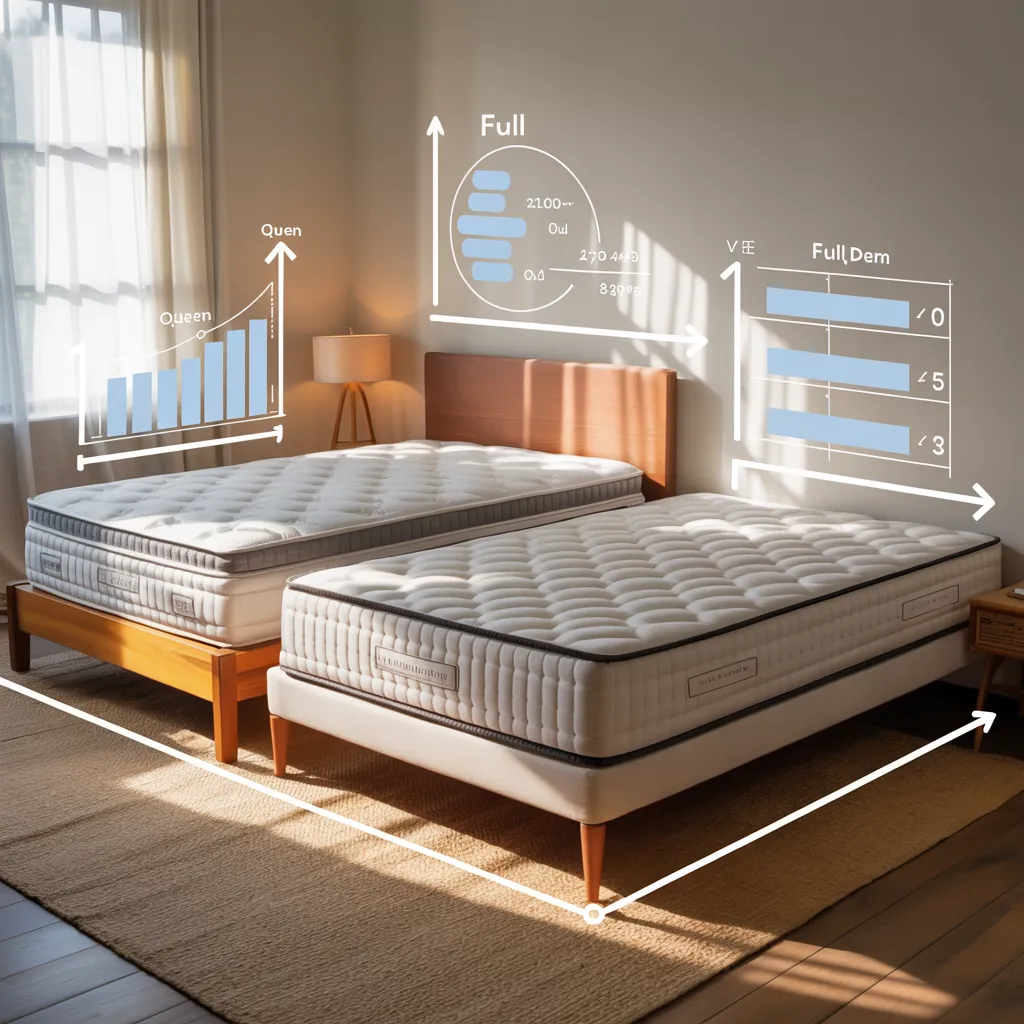
What's the process for determining the right mattress size for their sleeping area? This task involves measuring the existing space in the room, considering both the dimensions of the mattress and any other furniture. Common mattress sizes include twin, full, queen, and king, each suited to various space dimensions. For limited spaces, a twin or full mattress may be most appropriate, offering more room to navigate and accommodate other furniture. Conversely, bigger bedrooms can easily fit queen or king-sized mattresses, offering sufficient sleeping space for partners or individuals who enjoy room to stretch.
Furthermore, it is essential to evaluate the height of the mattress in relation to bed frames and headboards to copyright a balanced aesthetic. In the end, selecting the right mattress size involves considering personal preferences, room dimensions, and the overall layout, ensuring a harmonious fit that elevates both comfort and functionality within the space.
Essential Factors for Selecting the Right Mattress for Your Sleep Style
Selecting the right mattress entails more than just size; it also necessitates consideration of individual sleep positions. Different sleep positions—back, side, and stomach—demand specific support and comfort levels to facilitate ideal rest. For example, back sleepers do best with medium-firm mattresses that support spinal alignment, while side sleepers often favor softer models to cushion the shoulders and hips. Stomach sleepers typically need firmer surfaces to prevent neck and back strain.
Moreover, considerations such as body weight matter significantly. People who weigh more may benefit from more supportive materials for sufficient support, whereas those who weigh less might find softer options more agreeable. People should also think about temperature regulation, specifically if they frequently overheat at night, selecting ventilated materials like latex or gel-infused foam. Ultimately, comprehending these essential factors secures a personalized mattress choice that aligns with one's individual sleep style, elevating overall sleep quality.
Common Questions
How Often Do I Need to Replace My Mattress for Peak Sleep Quality?
Experts recommend replacing a mattress every 7-10 years to preserve optimal sleep quality. Regular assessments for indentations, unease, or allergic reactions can help identify the need for an earlier replacement, guaranteeing better rest.
Could Mattress Materials Affect Allergies or Sensitivities?
Yes, mattress materials can greatly affect allergies and sensitivities. Specific materials, including memory foam or latex, might trap dust mites or mold, while hypoallergenic alternatives can assist in reducing symptoms for sensitive individuals, supporting enhanced sleep quality.
What Is the Expected Longevity of Different Mattress Types?
Distinct mattress types have differing lifespans: innerspring mattresses typically last about 7-10 years, memory foam typically lasts 10-15 years, while latex mattresses can endure fifteen to twenty years. Regular maintenance can help prolong their longevity.
What Should I Do to Care for and Maintain My Mattress?
To properly care for your mattress, regularly rotate it, apply a mattress protector, use a vacuum to clear away dust, prevent jumping on the surface, and stick to manufacturer cleaning directions corresponding to the specific material to maximize its lifespan.
Are There Dedicated Mattresses for Different Sleeping Positions?
Different sleeping positions are supported by specialized mattresses. Those who sleep on their side need softer, contouring materials, while medium firmness provides the necessary support for back sleepers. Firmer options are typically necessary for stomach sleepers to ensure proper spinal alignment during sleep.